

关于这项工作
三维世界和二维世界之间有着明显的区别。三维物体有深度,而二维图像存在于没有深度的平坦表面上。居住在三维世界的我们,既不能物理地进入二维世界,也不能跨越二维世界进入我们的世界。
然而,相机可以将三维物体转换为二维图像。以这种方式制作的照片通常被认为不同于绘画或素描,它们一直以二维图像的形式存在。
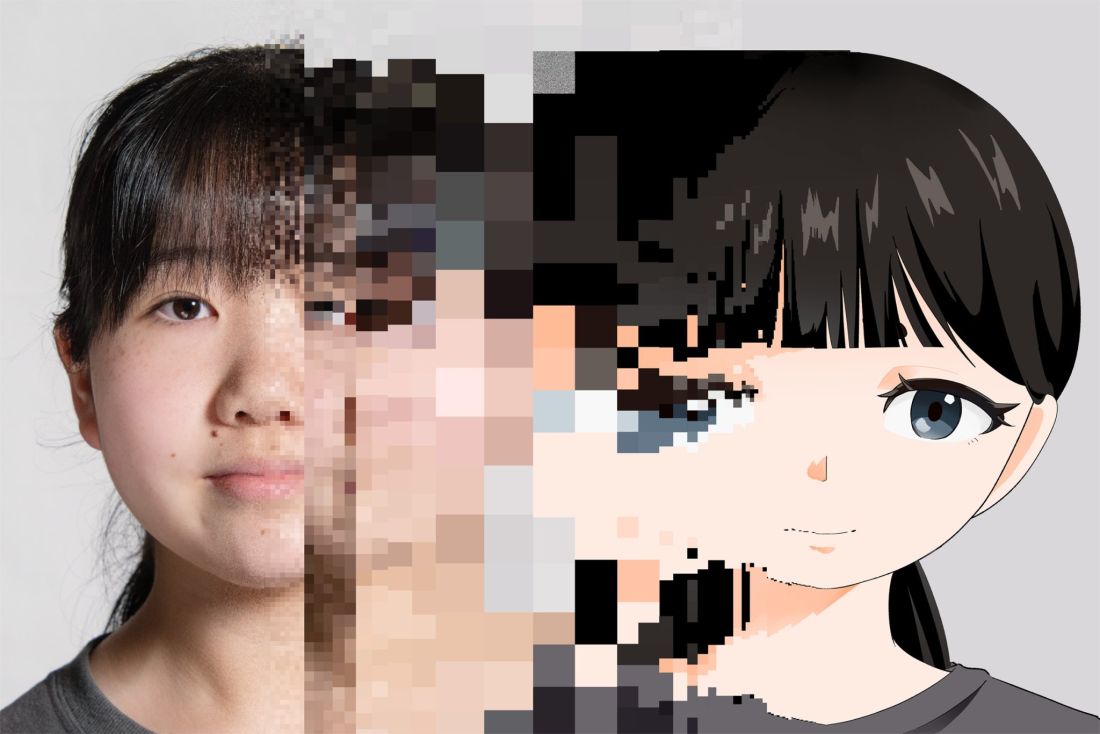
我们倾向于认为照片和绘画是根本不同的。然而,在数字形式中,两者都由相同的基本元素组成:像素。无论一张照片或一幅画有多精细,仔细观察只会看到彩色方块的排列。
一旦两者都存在于同一个平面上,源于三维的图像和始终是二维的图像之间真的有什么区别吗?
三次元と二次元には明確な違いがある。 三次元は奥行がある立体であり、二次元は奥行のない平面である。三次元に生きる私たちが物理的に二次元へ行くことはできず、二次元もまた三次元には来られない。カメラは三次元のものを二次元に変換することができる。そうして二次元となった写真は、もとから二次元である絵などとは別のものであると区別されている。
私たちは写真と絵を全く別のものであると考える。しかし、写真と絵はデジタル画像の場合 どちらも等しくピクセルの集合体でできている。精細な写真や絵だとしても、近づけば色のついた正方形でしかない。
平面上において三次元だったものと、もとから二次元であるものに違いはあるのだろうか?
然而,相机可以将三维物体转换为二维图像。以这种方式制作的照片通常被认为不同于绘画或素描,它们一直以二维图像的形式存在。
我们倾向于认为照片和绘画是根本不同的。然而,在数字形式中,两者都由相同的基本元素组成:像素。无论一张照片或一幅画有多精细,仔细观察只会看到彩色方块的排列。
一旦两者都存在于同一个平面上,源于三维的图像和始终是二维的图像之间真的有什么区别吗?
三次元と二次元には明確な違いがある。 三次元は奥行がある立体であり、二次元は奥行のない平面である。三次元に生きる私たちが物理的に二次元へ行くことはできず、二次元もまた三次元には来られない。カメラは三次元のものを二次元に変換することができる。そうして二次元となった写真は、もとから二次元である絵などとは別のものであると区別されている。
私たちは写真と絵を全く別のものであると考える。しかし、写真と絵はデジタル画像の場合 どちらも等しくピクセルの集合体でできている。精細な写真や絵だとしても、近づけば色のついた正方形でしかない。
平面上において三次元だったものと、もとから二次元であるものに違いはあるのだろうか?
作品集图库 1 单张图像
🔒 ภาพนี้มีลิขสิทธิ์ — ห้ามนำไปใช้โดยไม่ได้รับอนุญาต